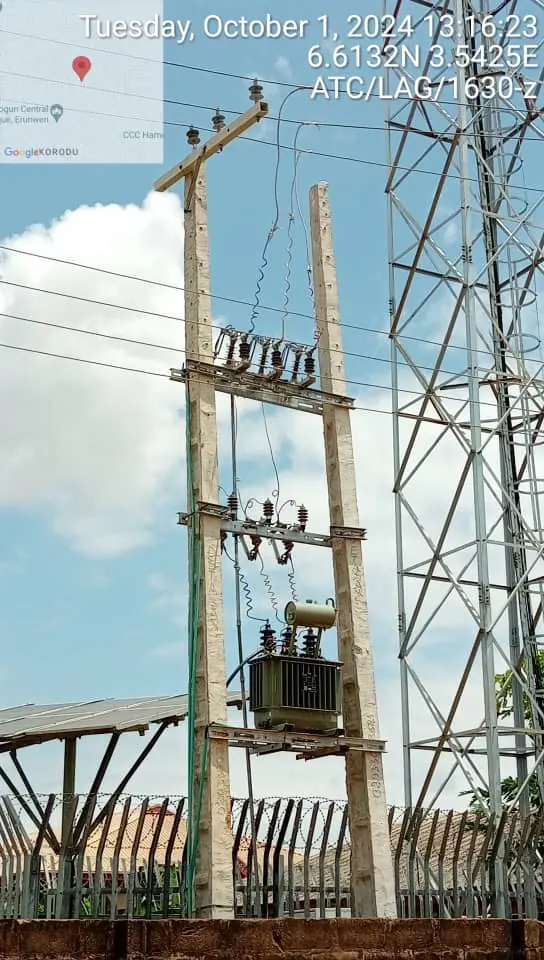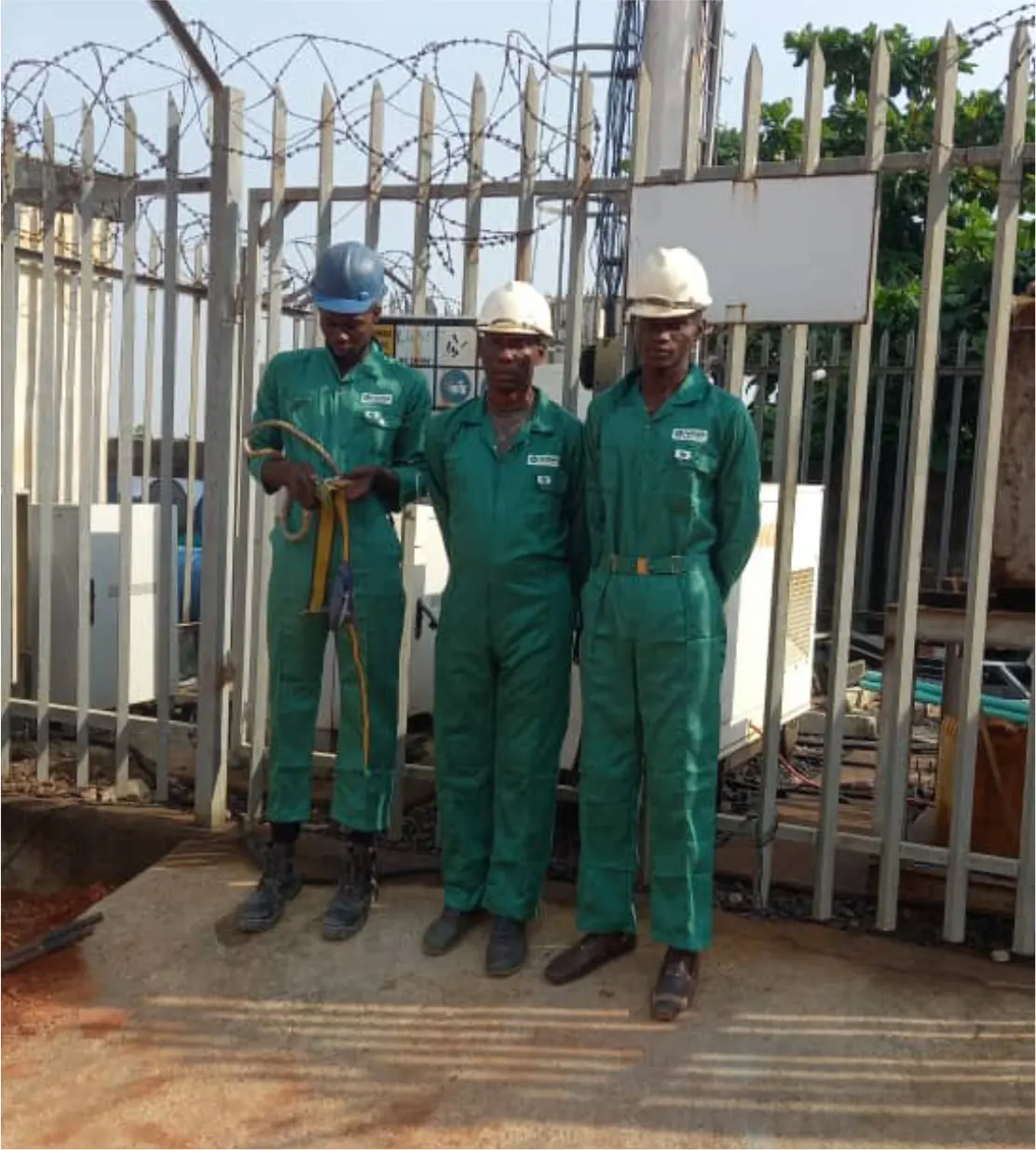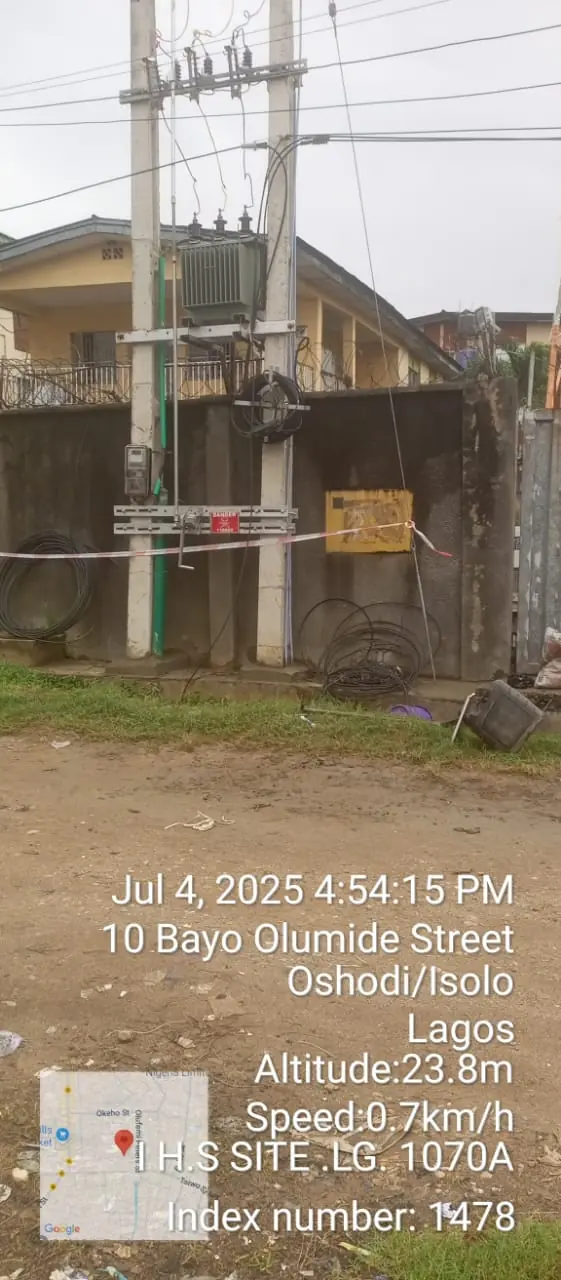
Once you know your site needs its own transformer, the next decision is where to put it: on poles, or on the ground. Both are common in Nigeria. The right choice depends on four things.
1. Load size
Pole-mounted substations suit smaller transformers — typical of telecom towers, small businesses and modest residential loads. Larger transformers are heavy, and above a certain rating a ground-mounted installation (on a plinth, or as a compact/package substation) becomes the practical and safer option. The DisCo's standards set the limits in your area.
2. Space
A pole-mounted substation needs only the footprint of its poles, which is why it is the default for urban telecom sites with tight compounds. A ground-mounted substation needs a fenced, accessible area with clearances for maintenance and ventilation.
3. Cost and speed
Pole-mounted substations generally cost less and are faster to build: fewer civil works, no plinth or enclosure, simpler protection. Ground-mounted substations involve more civil work and switchgear but give more room for future expansion.
4. Safety, security and maintenance
- Pole-mounted equipment is out of reach of the public but requires work at height for maintenance.
- Ground-mounted equipment is easier to maintain but must be fenced and locked against unauthorised access and theft.
- Both need proper earthing, protection and danger signage.
Quick comparison
| Pole-mounted | Ground-mounted | |
|---|---|---|
| Typical use | Telecom sites, small commercial | Factories, estates, large commercial |
| Footprint | Minimal | Fenced area required |
| Build time | Shorter | Longer |
| Expansion | Limited | Easier |
Our recommendation
Size from the load first, check the DisCo's limits, then pick the option with the lowest lifetime cost that leaves room for expected growth. See examples of both in our project field log, or ask us to size your substation.