If your site runs on generators most of the day, a grid connection is usually the single biggest cost saving available. But the process in Nigeria involves several parties, and many projects stall not on construction but on paperwork and coordination. Here is the path we follow on every 11kV and 33kV connection.
1. Assess the load before anything else
Start with real numbers: the site's current demand, expected growth over the next five years, and any large motors or equipment with high starting currents. This determines the transformer size (for example 50kVA, 100kVA, 200kVA, 300kVA or larger) and whether a pole-mounted or ground-mounted substation makes sense. Oversizing wastes capital; undersizing means overloading and early failure.
2. 11kV or 33kV?
The choice is usually made for you by the network near your site. Most telecom towers and small commercial loads connect at 11kV through a local distribution transformer. Larger industrial users, or sites close to a 33kV line with no suitable 11kV feeder, may connect at 33kV. The DisCo's technical evaluation confirms which feeder can take your load.
3. Apply to the distribution company
The DisCo that holds the franchise for your area — in Lagos, typically Eko Electricity or Ikeja Electric — must approve the connection. Expect to provide a load schedule, site plan, route drawing and single-line diagram. The DisCo then evaluates the capacity of the feeder and approves the design.
Since the Electricity Act 2023, states can regulate their own electricity markets, and several, including Lagos, are setting up state regulators. Confirm which authority covers your location before you start.
4. Procure the right materials
Transformers, concrete poles, conductors, insulators, isolators, drop-out fuses and surge arresters must meet the DisCo's specifications. Substandard materials are one of the most common reasons for failed inspections and early faults — and buying the cheapest transformer usually costs more over its life.
5. Construction
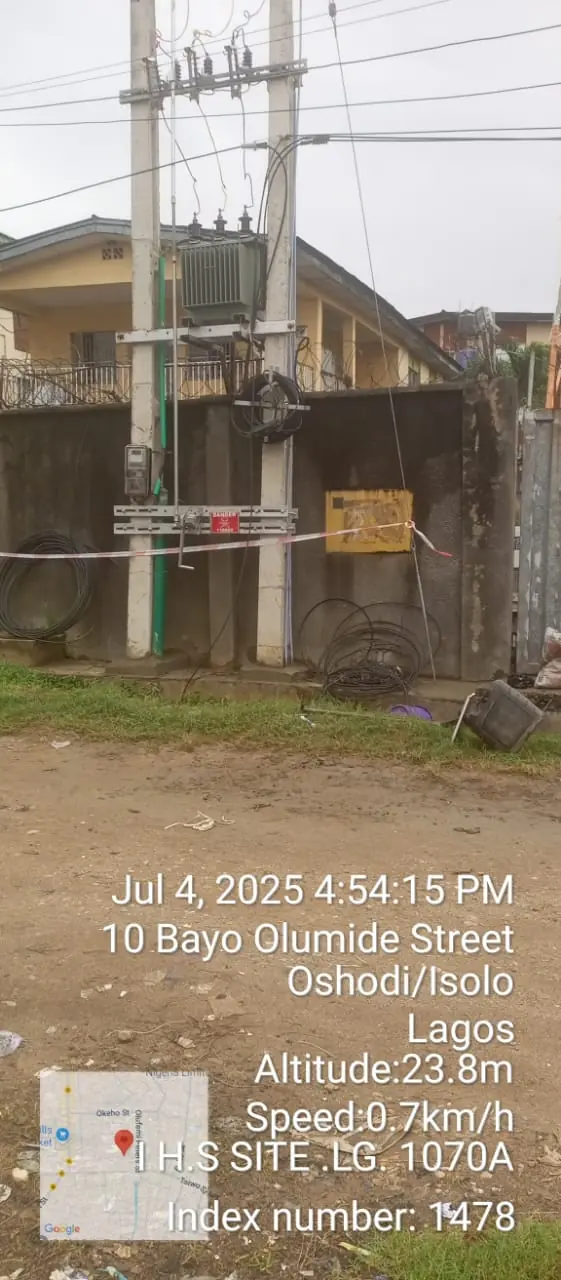
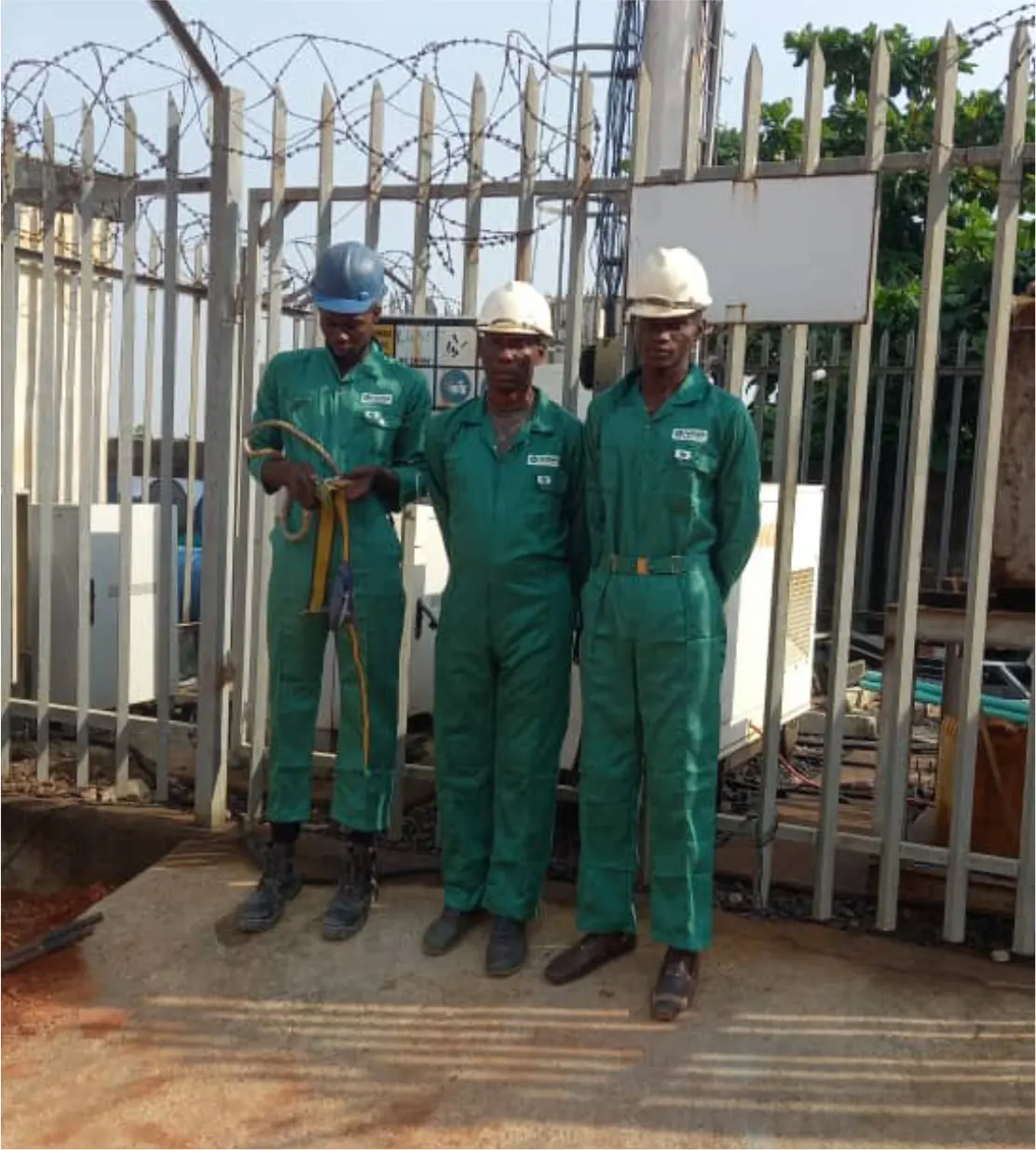
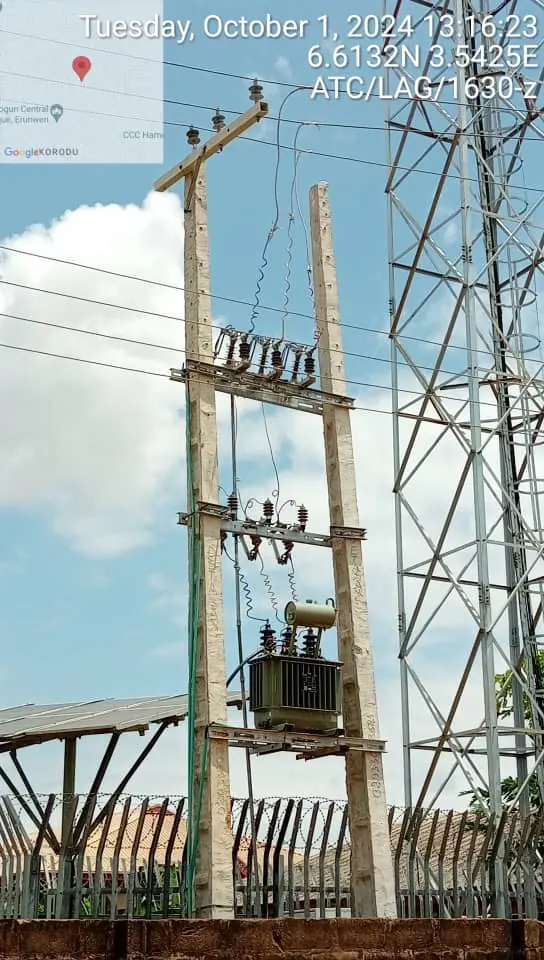
Construction typically covers pole planting and line stringing from the tapping point, erection of the substation structure, transformer installation, protection devices, earthing, and the LV connection into the site. On a telecom site this is also when the automatic transfer switch is integrated so the site switches between grid and generator without manual intervention.
6. Testing and NEMSA inspection
Before energisation the installation is tested — insulation resistance, earth resistance, transformer checks — and inspected by NEMSA (the Nigerian Electricity Management Services Agency), which certifies that the installation meets technical and safety standards.
7. Metering and energisation
The DisCo installs or approves the meter, and the connection is energised in coordination with the DisCo's network team. You should receive a handover pack: test certificates, as-built drawings and photo records.
Where projects usually stall
- Approvals started late. Begin the DisCo process on day one, in parallel with procurement planning.
- Transformer lead times. Popular ratings can be out of stock; confirm availability early.
- Right-of-way issues. Line routes crossing private land need agreements before poles go in.
- Failed inspections. Usually caused by poor earthing or non-compliant materials.
How long does it take?
Physical construction for a typical telecom-site connection takes a few weeks. The overall timeline depends mostly on approvals and materials. A contractor who manages the whole chain — rather than only the construction — is what keeps the timeline short.
Request a grid connection assessment and we will tell you which feeder, transformer size and route make sense for your site.