
PV + BESS
Solar-hybrid and renewable energy systems for businesses in Nigeria
Solar PV, battery storage and hybrid controls that cut diesel spend for telecom sites, factories, offices and estates.
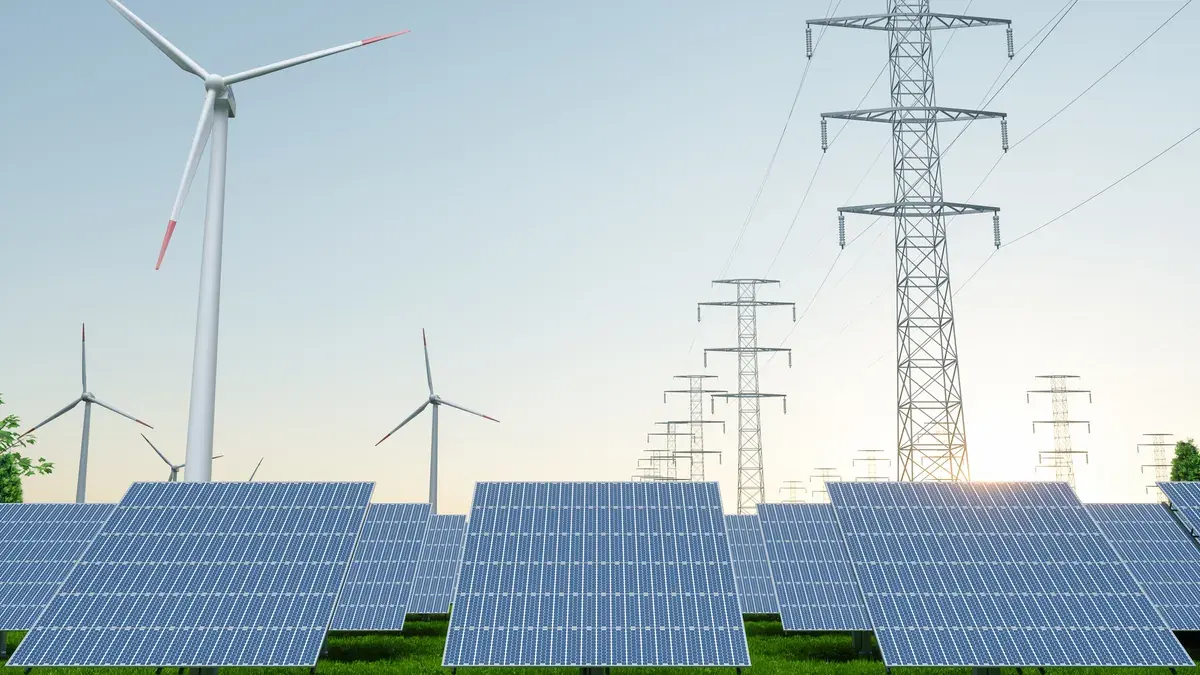
With diesel prices volatile and grid supply uneven, many Nigerian businesses are paying for energy three times over: grid bills, generator fuel and generator maintenance. A well-designed solar-hybrid system shifts most daytime load to solar, stores surplus in batteries, and lets the generator run only when it is genuinely needed.
How we design a hybrid system
- Measure first. We log your actual load profile instead of guessing from nameplate ratings.
- Model the economics. We compare diesel-only, grid + diesel and solar-hybrid options over 10 years, so the payback figure is yours, not a brochure number.
- Size for the real site. PV array, battery capacity and inverter rating are matched to load, roof or ground space and grid availability.
- Integrate cleanly. Existing generators, the grid connection and the ATS are tied into one control scheme.
- Monitor and maintain. Remote monitoring flags under-performance before it costs you fuel.
Where solar-hybrid pays back fastest
- Telecom towers with high generator run-hours
- Factories and warehouses with daytime-heavy load
- Estates, schools, hospitals and churches with unreliable grid supply
Not sure if the numbers work for your site? Read how to calculate solar-hybrid payback, or request an assessment.
FAQ
Solar-Hybrid & Renewable Energy: common questions
Related guides
How much can a solar-hybrid system reduce diesel use?
It depends on load profile, sun hours and grid availability. On sites with long generator run-hours the reduction is often substantial; we give you a modelled figure from your own load data before you commit.
Can solar work alongside our existing grid connection and generator?
Yes. A hybrid controller and ATS let solar, batteries, grid and generator work as one system, prioritising the cheapest available source.